Learning English as an Additional Language in the Early Years Resource Booklet
This resource provides comprehensive information to assist children learning English as an additional language and practical suggestions to support ea...
Explore our Days of Significance Calendar, featuring quotes and reflective questions. Consult with your families and local communities, as dates and c...
Vocabulary and grammatical development support each other reciprocally. Children rarely learn new words and Auslan signs and their meanings in isolati...
Language and culture are interconnected and need to be understood concerning each other. The culture we are living in influences the ways we say and d...
Children learn what they hear and see most. Programs should focus on language children can engage with, respond to and use in the preschool context. S...
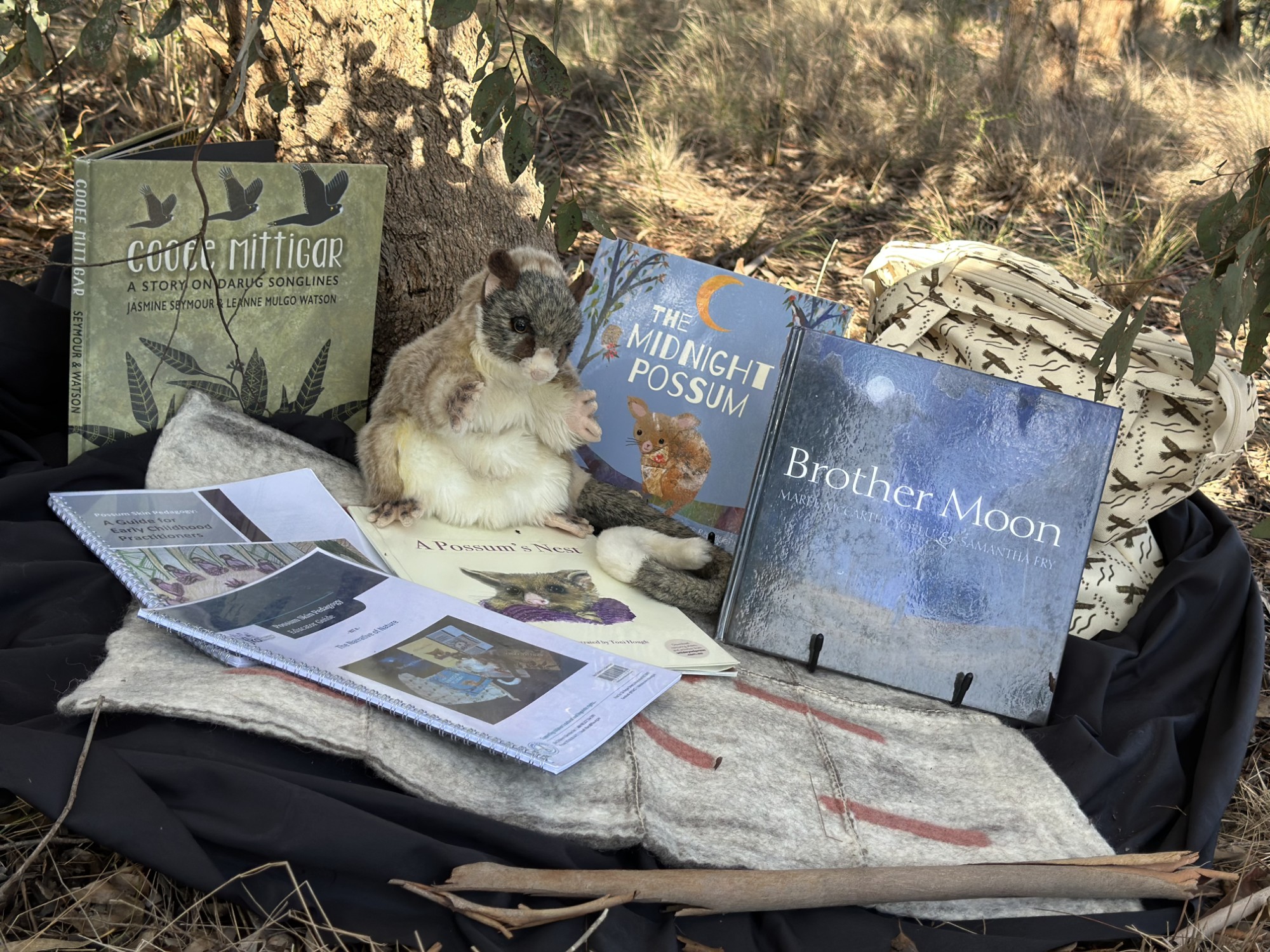
Possum Skin Pedagogy: A Guide for Early Childhood Practitioners (Atkinson Lopez, 2017)
Authored by Dr Sue Atkinson Possum Skin Pedagogy explores the challenges and opportunities to embed Aboriginal perspectives and presents seven stories...
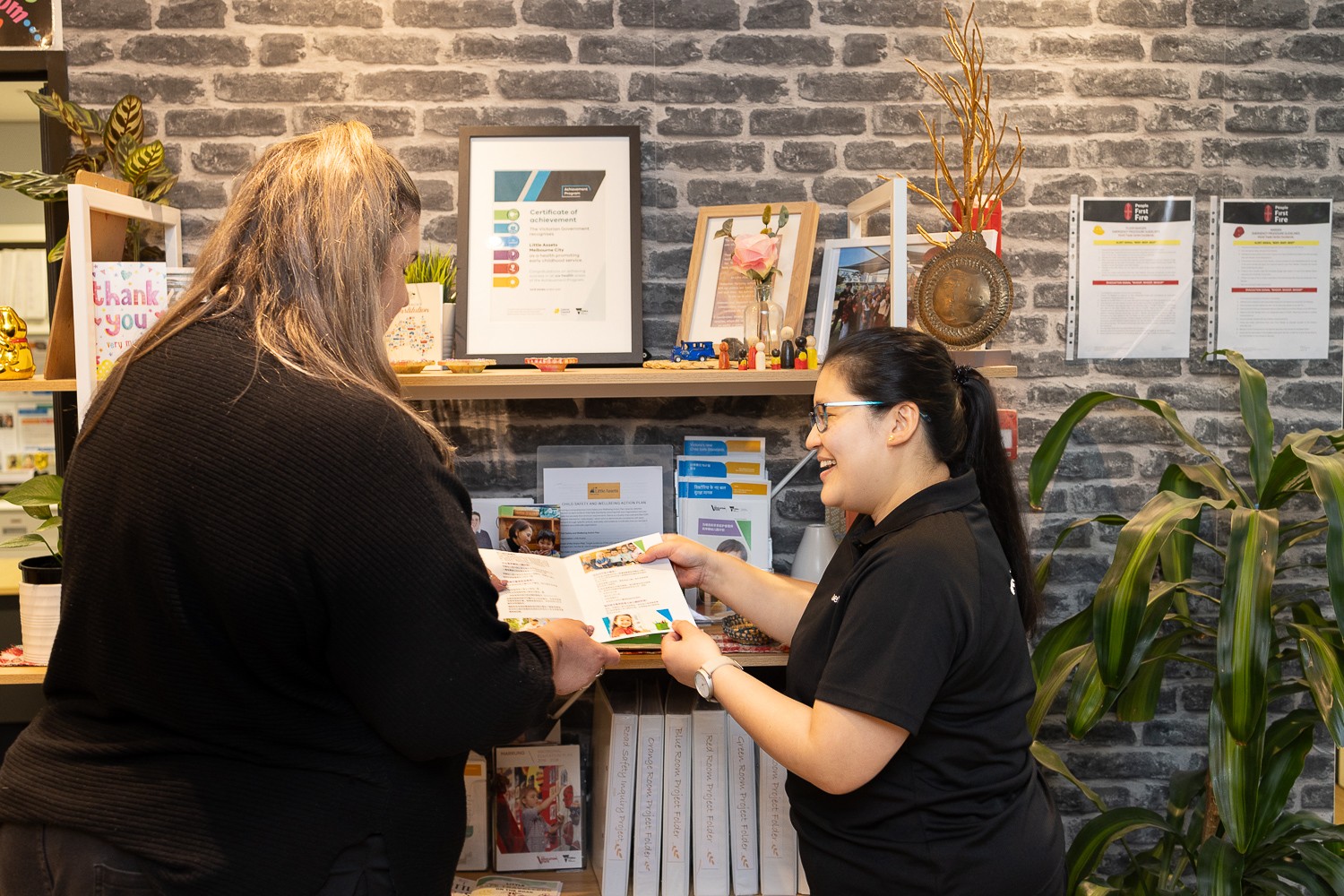
fkaCS Community Language (Bilingual) Workers assist Early Childhood Education and Care (ECEC) staff by facilitating communication with children and fa...
This resource is available in multiple community languages and English. It explains the importance of families maintaining their home languages and th...